
Legal Disclaimer
I am not a licensed drone pilot at this time (I will eventually get my license if I seriously pursue this). I do not fly drones professionally nor commercially at this time. My knowledge of laws, rules, and regulations is extremely limited, but expanding as I research more for my own knowledge. I only fly my drone either indoors or outdoors at an elevation of less than 100ft/33.3m on my personal property or at the local high school. I always keep my drone in sight of myself no matter where I’m operating it at.
It is up to you, the reader, to research and know your local, state, and governmental laws and regulations regarding the safe and legal use of drones in your area. Everything contained here after is purely my opinion and observational point of view based on what I’ve learned and experienced to this point in time.
So you decided you want to learn to fly a drone. It’s simple, right? Buy a drone, put batteries in it, turn it on then crash it countless times until you get the hang of it. Now with your new found confidence, you decide to take to your local park and test out your new skills in the real world. Maybe you’ve already started practicing at your local park.
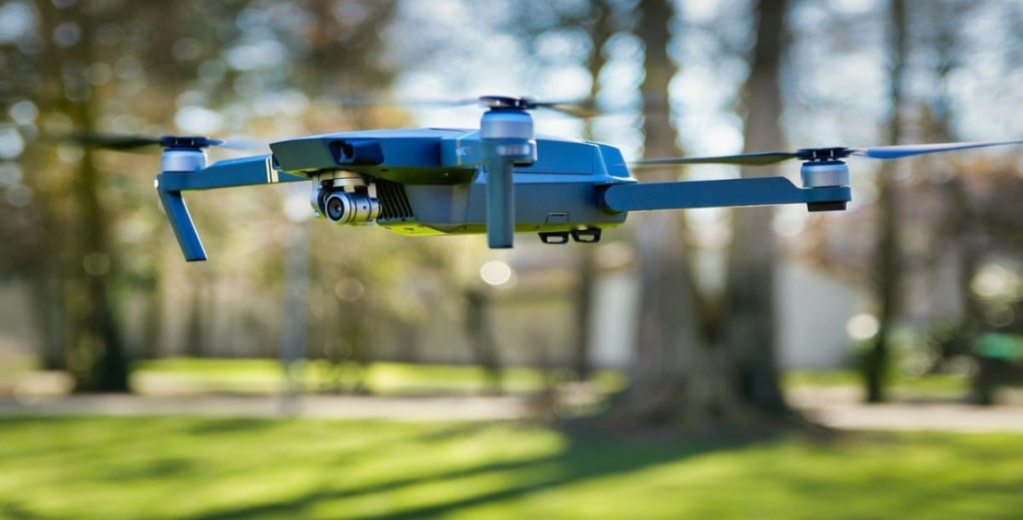
You’re minding your own business, having fun. Maybe you’re taking pictures or videos with it. Yeah, there’s people around but you appear to not be bothering anyone. Next thing you know, you’re being questioned by a police officer or park personnel. You’re being polite and cooperative. But the situation isn’t getting better and they’re not interested in your drone, they’ve told you several people called and complained.
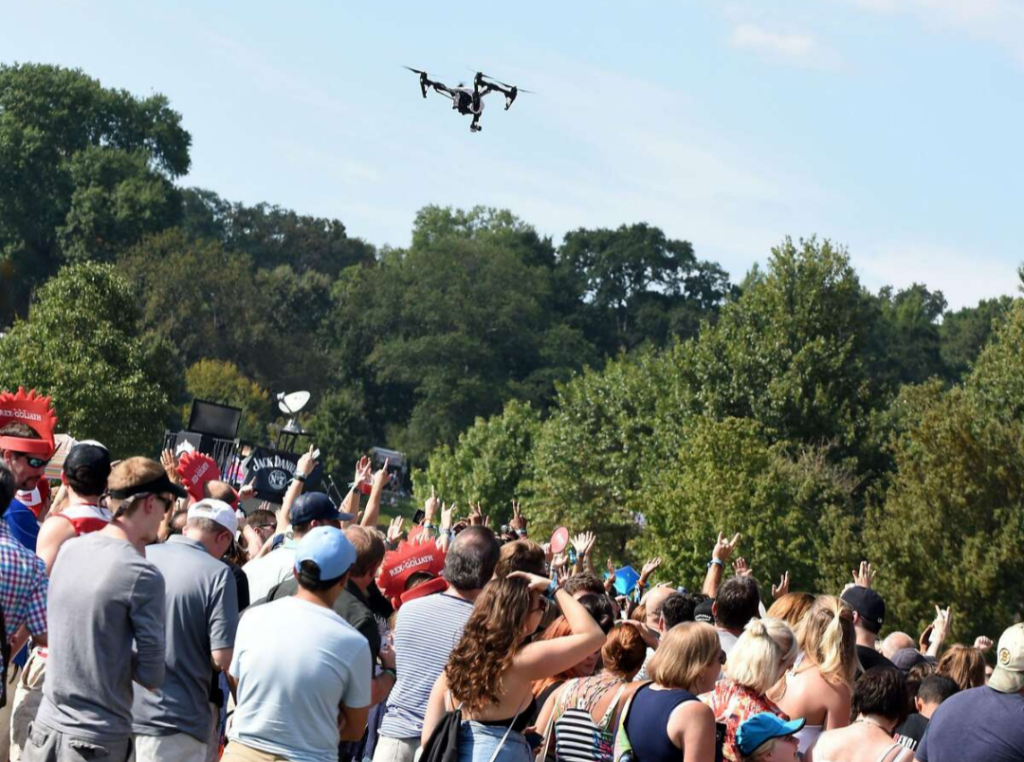
At best you might get a verbal warning and be asked to not bring your drone back to that park. On the other side of that coin, you may end up with a court date and your new drone taken from you, to which you may or may not get it back depending on what the judge has to say.
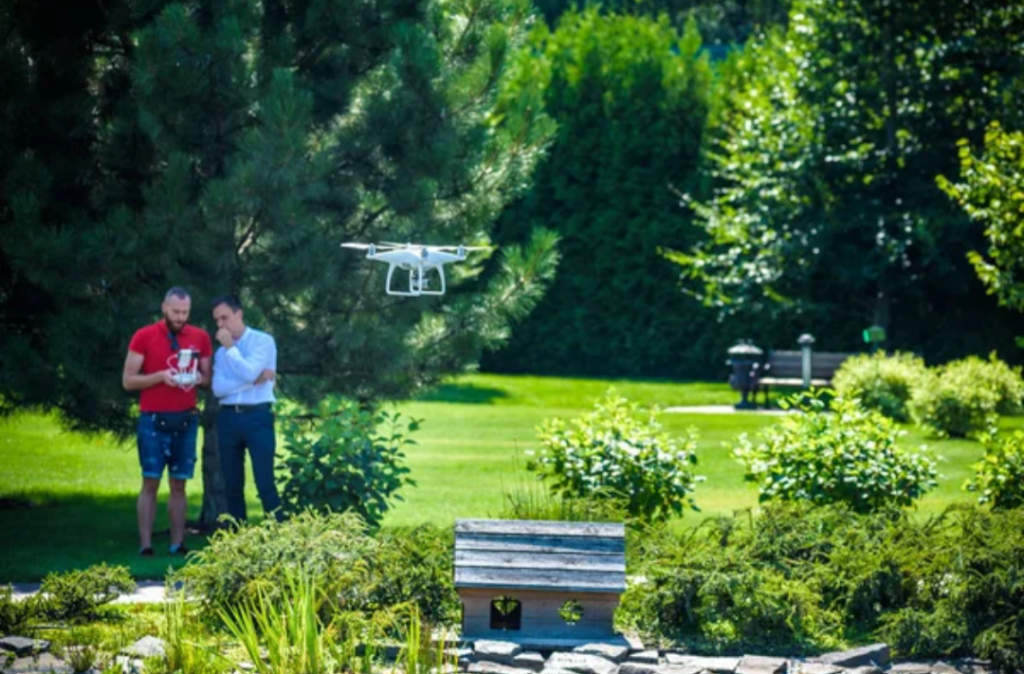
So what happened? What went wrong? I will do my best to answer both of those questions and help you avoid, as best as possible, getting into an avoidable situation like described above. Which is what I try to avoid doing myself. There are many variables that go into the outcome of a given situation. In this case, how did the person of authority approach the situation? How did you react to that person of authority? Did anyone else say anything to you directly? Is anyone directly involved in the situation having a bad day? But we can save the details and philosophical aspects for another conversation.
What happened?
What happened and went wrong was your ignorance for the jurisdiction you were piloting your drone in. It’s as simple as that. You made a wrong assumption. You assumed that because this was a public space then you could utilize it as you saw fit. After all, you were here the other week and someone else was flying their drone. Maybe you didn’t see them get approached by someone and told they couldn’t. Maybe they had all the proper documents and were allowed to fly there because they were working on a project. You didn’t know then but assumed because they were, you could too.

So how do we make a smart informed decision? How do we keep ourselves out of trouble as much as possible? We can start by knowing what our intentions are for your drone. Then you will be able to figure out which of the seeming limitless drone options are right for you. And lastly, by researching online for laws, rules, or regulations for where you intend to pilot your drone. We talk to the governing bodies who are overseeing the safe responsible use of that space.
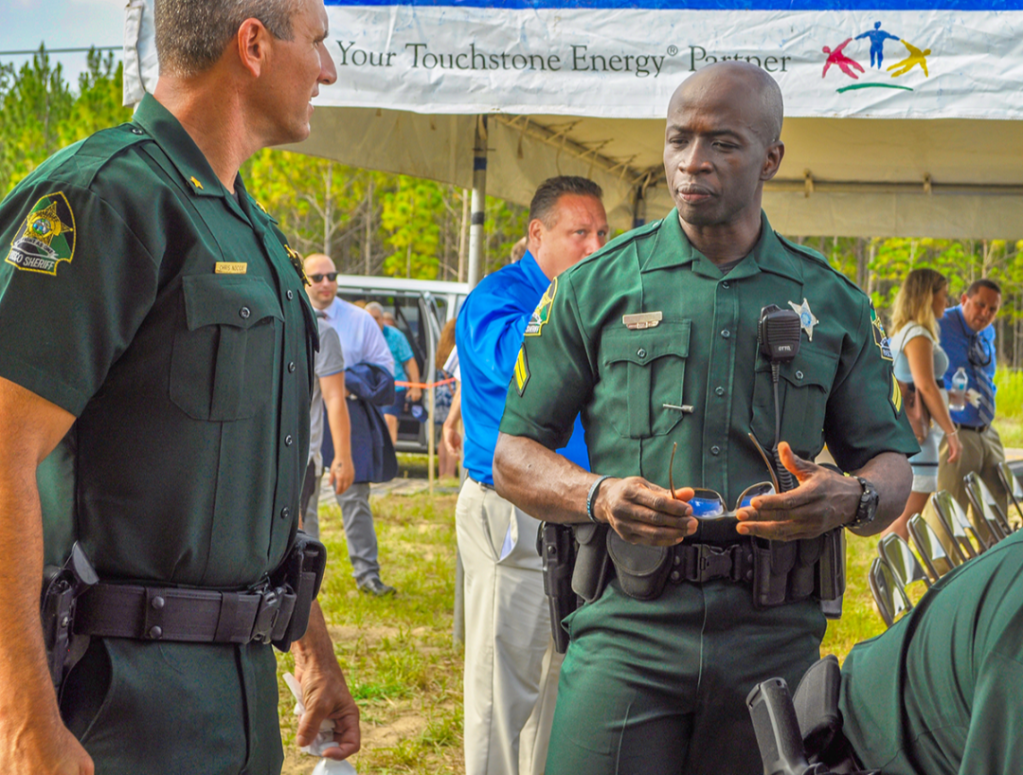
If you can’t find anything online, don’t be afraid to ask the local police department, after all, they’re the liaison between written laws and the people those laws govern. So either they’ll know or be able to point you in the right direction. If you’re looking to fly in a park, local, state, or national, there should be someone, a park ranger, or department of parks and recreation, that should be able to help you or answer your questions. When in doubt assume you can’t pilot your drone in that location.

What can you do?
The best thing you can do is to learn the laws for the area you want to fly your drone in. Are there any altitude restrictions? Will you be in controlled airspace? What is controlled airspace anyway? Do I need any permits to pilot my drone here?
As stated above, if you can’t find anything on the interwebs or you’re unsure about what you’ve read, ask the local law enforcement for that area. In addition, there are apps like the B4UFLY app that will let you know if you’re in restricted air space and can let you request clearance to fly your drone. Other apps can monitor the weather and based on the drone you have, can advise if weather conditions are good or not.
In this day in age, there are virtually unlimited resources available to you. Use them to your advantage to avoid any unnecessary consequences maximizing your fun and enjoyment.
Final Thoughts
So with a little patience and research, flying your drone can be a lot of fun. Be smart about it, flying on property you own at tree top level or lower altitudes may not bring you any unwanted attention. However, flying at your local park with other people around, very likely, will bring unwanted attention. I tried to pull as many resources as I thought would be important for you as a beginner and listed them below.
As a beginner myself, I have managed to fly under the radar so far. In doing the research for this post, I learned that my drone is light enough to not require it to be registered. However, I will still need to get my drone or exemption certification before I fly it in public off my property.
Technically I should have my certification to fly in my back yard, but I have acknowledged and accepted that gamble. I do not recommend taking the risk like I have, but if you choose to, then you should be willing to accept the potential consequences that come with the risk. If you’re in the US, you should just take the test and get your 107 certificate or 44 exemption and have your ass covered.
If I choose to pursue flying my drone more seriously to either try to make money or get better pictures and videos for my blog articles, I will get my Part 107. For now, however, I’ve accepted my gamble as I play with my drone in my backyard honing my skills.
US Federal Links
- FAA: Drone
- FCC
- National Park Services
- National Park Services: Stories
- Department of the Interior
- US Forestry Service
State Links
Drone Laws: find drone laws for your state or country.
Technical Links
- Engineering Toolbox: Air Density Calculations
- IEEE Xplorer: Wind Resistance
- Flying Tech: Flight Time Calculator
- SoftSchools: Air Resistance Formula
- Tyto Robotics: Drone Design
Weather Links
Android App Links
YouTube Playlist Link
CLICK HERE for a YouTube Playlist of some videos I found helpful. Check the playlist periodically as I may have found more useful information to add to the list.
Remember, If I can do it, You can do it too!!!

 The Wandering Leatherneck