
Cordage can easily be one of those overlooked pieces of gear. Some of you may use it all the time hiking and camping while some may rarely use it. I fall somewhere in the middle. I use cord for some tasks every single time I go camping, while other things stay ideas in my head. I still carry an adequate amount of cordage regardless.
We will be discussing the types of cordage I personally have and use. I do not necessarily think one is better than the other as they all do their designated tasks well. I usually purchase my paracord online direct from “Paracord Planet” themselves. Everything else is bought either locally or on “Amazon.”
550 Cord
550 Cord or more commonly known as Paracord is a nylon cord that typically contains 7 thinner strands inside a colored sheath. It comes in a variety of colors and patterns. Paracord is a versatile and semi lightweight cord option you can carry with you while hiking or camping.
Certified type III paracord
550 lb tensile strength
4 mm diameter
7 inner strands
https://www.paracordplanet.com/paracord/550-variations/
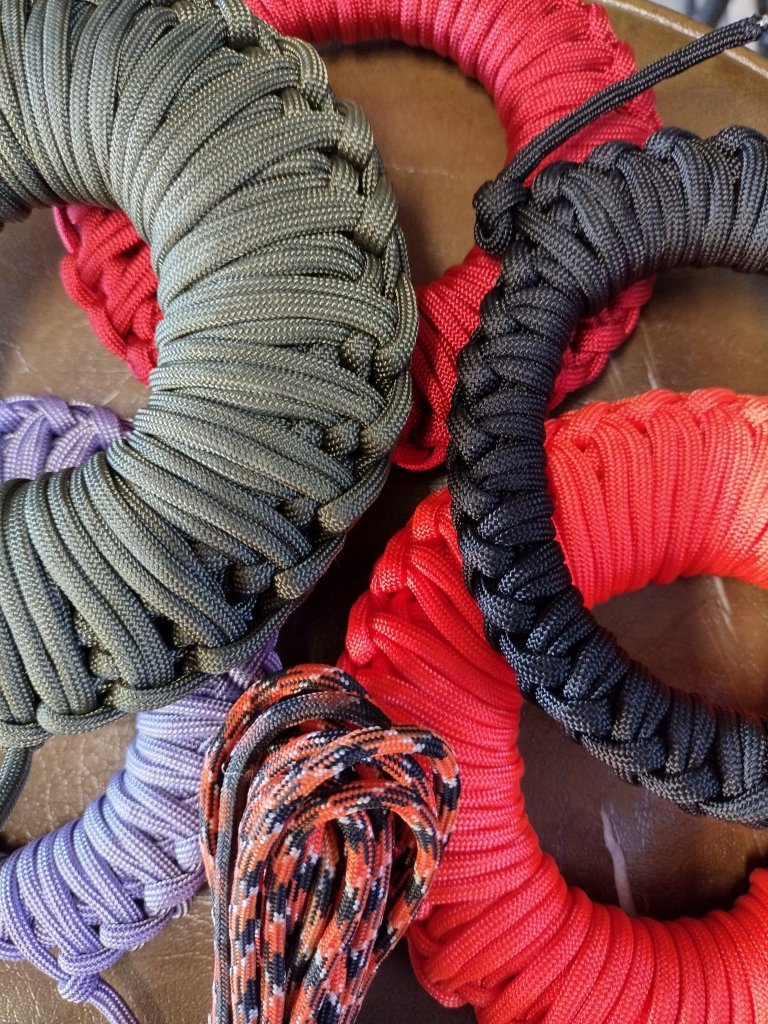
I typically carry between 30ft – 100ft depending on what I think I might need it for. I also tend to replace my boot laces with an equal length of paracord for every day use, just incase. If needed, you can take the inner strands out and use them individually or tie them together to extend their length. The inner stands can be use for lashings, fishing line, snare line, or whatever else you may need around camp. In addition, the outer sheath can be use in similar fashion to the inner strands. The inner strands if the situation calls for it, can be broken down into even smaller strands and used as dental floss or even sutures to stich up a wound.
- Pros
- Tough
- Versatile
- Cheap/Affordable
- Comes in a variety of colors
- Cons
- Can be bulky
- Can be heavy
- Nylon degrades over time in UV light
- Inner strands can be difficult to get out of the sheath depending on the length needed
275 Cord
275 cord is a variation of the 550 cord. Like the 550 cord, 275 cord is comprised of an outer sheath and several inner strands. Let it be known, that the Number (275, 550, etc.) denotes the WLL (Working Load Limit) of that specific type of paracord.
Certified type II nylon paracord
275 lb tensile strength
2 mm diameter
5 inner strands
UV, abrasion, rot, mildew resistant
https://www.paracordplanet.com/paracord/275-paracord/

Currently, the sole use I use the 275 Paracord for is guy lines and a ridge line. I run a hammock and trap when I camp. So I don’t need anything as robust as 550 cord, so the smaller diameter and lighter 275 cord more than fits the bill for what I need. So far, its been 2 years with the same 2275 cord and zero issues to date.
- Pros
- Tough
- Versatile
- Cheap/Affordable
- Comes in a variety of colors
- Cons
- Not as strong as 550 cord
- Nylon degrades over time in UV light
- Inner strands can be difficult to get out of the sheath depending on the length needed
Bank Line
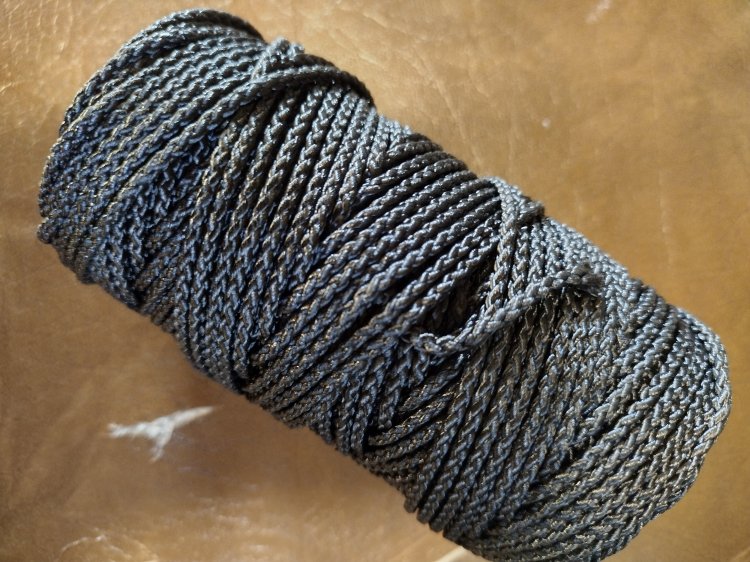
Bank line is a twisted or braided twine that is run through a tar like material to increase it’s ability to last outdoors. I can not speak to its durability or versatility as of yet. I just recently bought the roll pictured here to act as potential replacement to the 550 cord I typically carry around with me. Once I get the opportunity to give it a real comparison against the 550 cord, I will do another review highlighting the 2 cords.
- Pros
- Tough
- Cheap/Affordable
- Lighter weight than the same length of 550 cord
- Can last longer outdoors in UV light than paracord
- Cons
- Can be bulky depending on how much you’re carrying
- Can be heavy depending on how much you’re carrying
- Depending on manufacturer, may or may not be completely impregnated with tar like substance
Jute Twine
Jute twine is a natural twisted twine that is typically great for using as a fire starter material. I mainly use this as a tinder material for starting a fire. I have linked down below for you some Jute Twine on Amazon. However, the Jute I use, I buy from my local Dollar Tree and it works just fine.
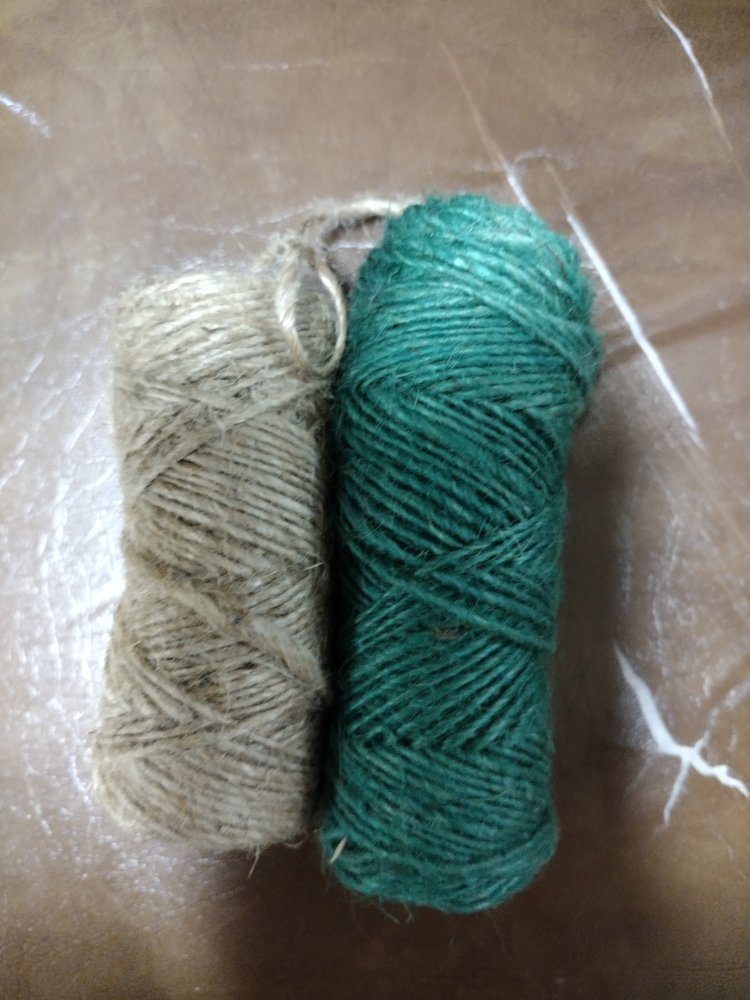

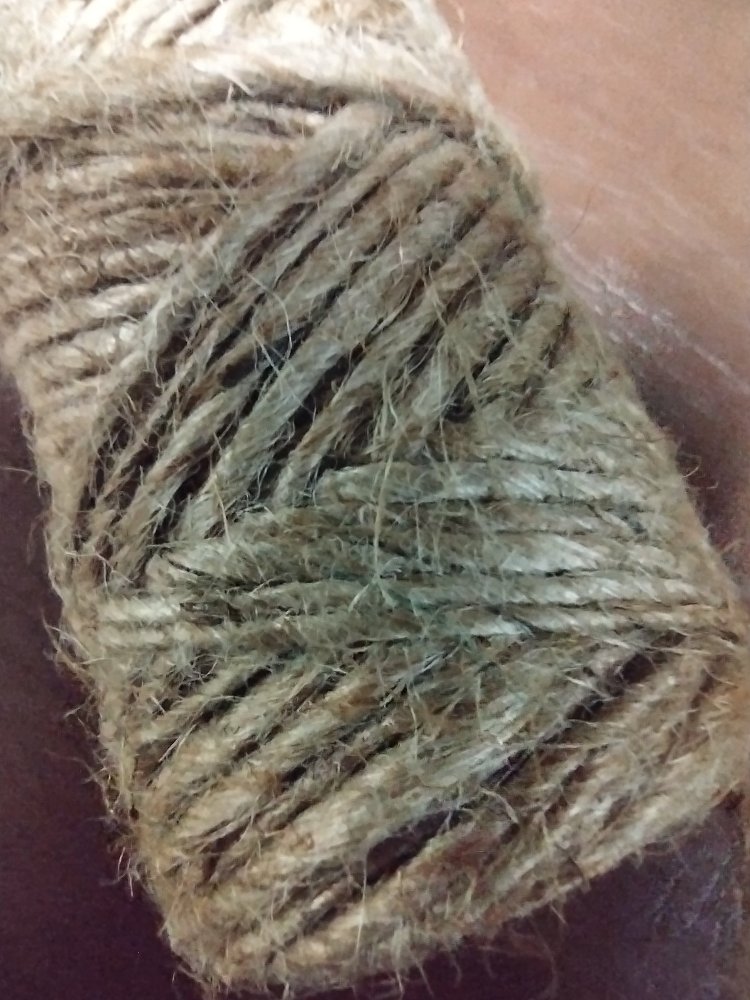
To create your tinder bundle with the Jute, all you have to do is simply twist it the opposite way and pull apart the strands. Once you have enough in a birds nest looking wad, your ready to add your spark, ember, or flame. Then from there you build your fire up to the size you need.
- Pros
- Lightweight
- Cheap/Affordable
- May come in a variety of colors
- Cons
- Strands may be difficult to untwist
Shock Cord
Shock cord is an elastic type paracord in the simplest description. Shock cord can be used anywhere you need a load to have a little bit of room to “give” so you don’t break another line. This can be especially helpful on your guy lines to your tarp or tent. This is one of the main reason I got shock cord. The other was to replace the broken shock cord on my hammock’s underquilt that I broke on my first backpacking trip in the spring of this year (2021).
Also known as bungee or bungie cord, shock and elastic cord are made with great flexibility. Take on small or large tasks like arts, crafts, and decorative pieces or tie down tents, objects in the bed of a truck, or tarps on a pool. Made with a nylon jacket/sheath to protect against fade and rot with inner rubber strands for improved strength and elasticity!
https://www.paracordplanet.com/paracord/shock-elastic-cord/
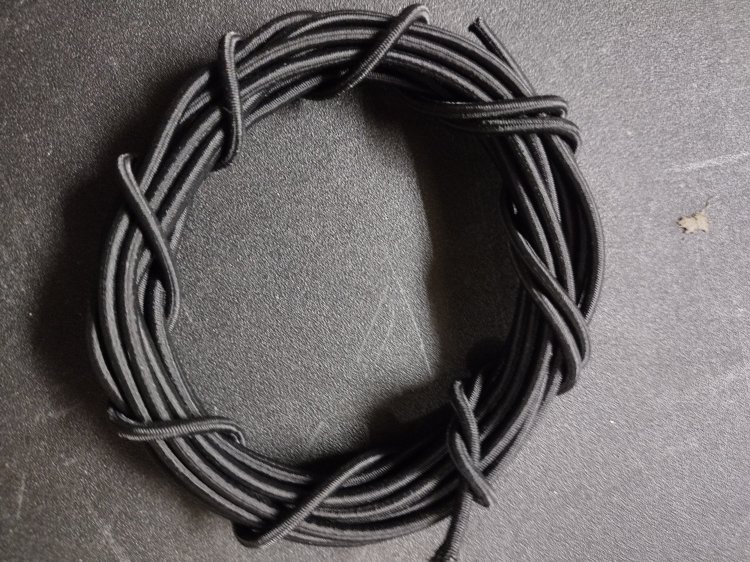

Shock cord may not be as versatile as some other cordage options available, but it does have its place.
- Pros
- Elasticity
- Cheap/Affordable
- Comes in a variety of colors
- Cons
- (From my opinion) Limited usability
- Nylon degrades over time in UV light
In Conclusion
So what cord is best to use? Know your cordage, know your needs, and you will be able to pick the right cord for the job. I usually carry all the above in one way or another every time I go out. I don’t think I have a pack or bag of some sort that does not have at least 550 cord in it. I also keep a bin of cordage with my backpacking gear that contains various amounts and colors of paracord, nylon straps, craft wire, etc that I can pull from as needed.
Paracord, no matter what the WLL number, is always a great all around cord to use. Bank line, in my opinion is more so for those outdoor, Bushcraft projects you intend to leave together long term. Jute Twine, while mainly for me is a fire starter material, can be use like the other cordage in various ways as well. While shock cord is a little more specific to its use, can in an emergency, come in just as handy as the rest.
No matter what cordage you choose, having something is better than nothing at all. But of course its always best to have the right tool for the job, so know what you need to accomplish and pick what you think is the right cord for the job.

 The Wandering Leatherneck